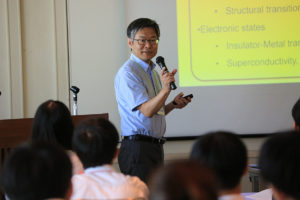
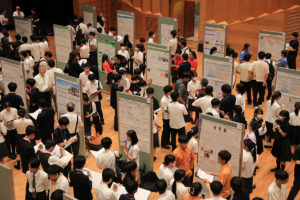
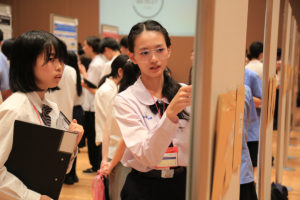
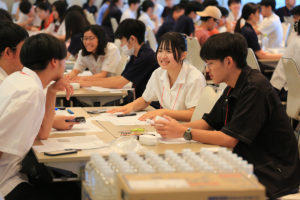
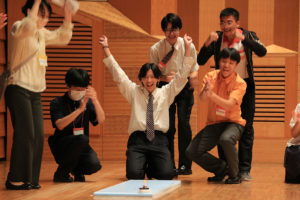
Young scientists share research, discuss evidence, and collaborate across borders for a sustainable society.
DateAugust 2–5, 2026
HostShizuoka Kita High School
LanguageEnglish
Concept
Science communication for the next generation
SKYSEF is an international forum where junior and senior high school students discuss sustainable society and environment in the 21st century. Students share research in science, technology, mathematics and ICT, then consider what actions can be taken based on their findings.
Since its launch in 2012, SKYSEF has connected schools that actively promote inquiry-based research. The forum aims to develop scientific literacy, independent learning, and the ability to discuss scientific ideas in English with peers from different countries and regions.
SKYSEF(Shizuoka Kita Youth Science Engineering Forum)は、21世紀における持続可能な社会や環境のあり方について、中高生が主体的に議論することを目的とした国際フォーラムです。世界各国から集まった生徒たちは、科学・技術・数学に関するテーマについて情報を共有し、意見を交わしながら、各自の研究をもとに「どのような行動をとるべきか」を共に考えます。またSKYSEFでは、国内外の中高生が一堂に会する貴重な機会だからこそ得られる学びを大切にしています。
Research PresentationPoster SessionInternational Joint ProjectCultural Exchange
Main Program
Core activities
SKYSEF is structured around research presentation, poster discussion, international joint projects, and cultural exchange. Each activity turns student research into communication, collaboration, and action.
01
Oral Presentation
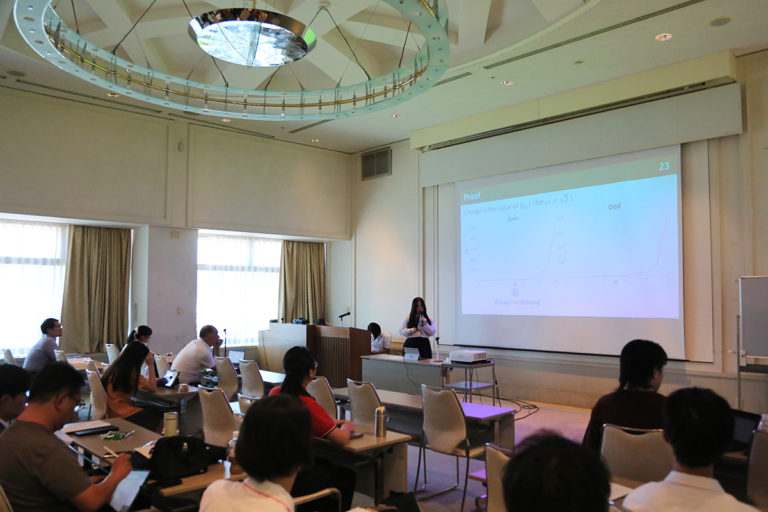
Students present their research outcomes in English and receive questions from international peers and specialists.
02
Poster Session
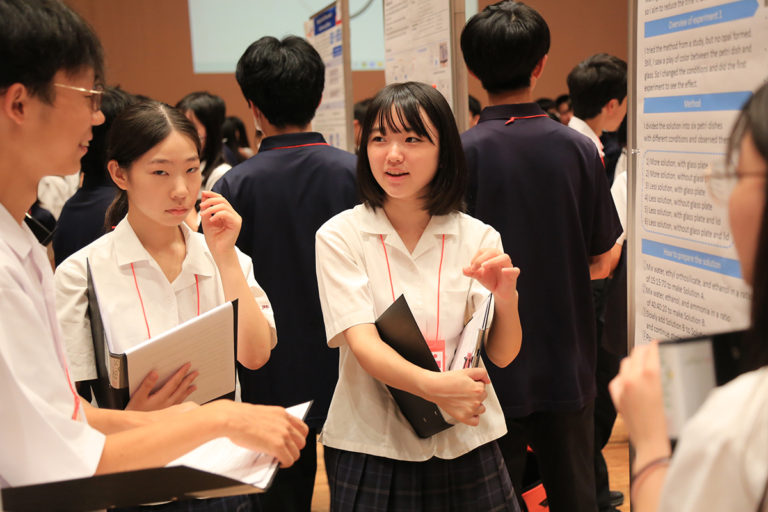
Participants exchange ideas through poster-based dialogue, discussing their methods, data, and conclusions with the audience.
03
International Joint Project
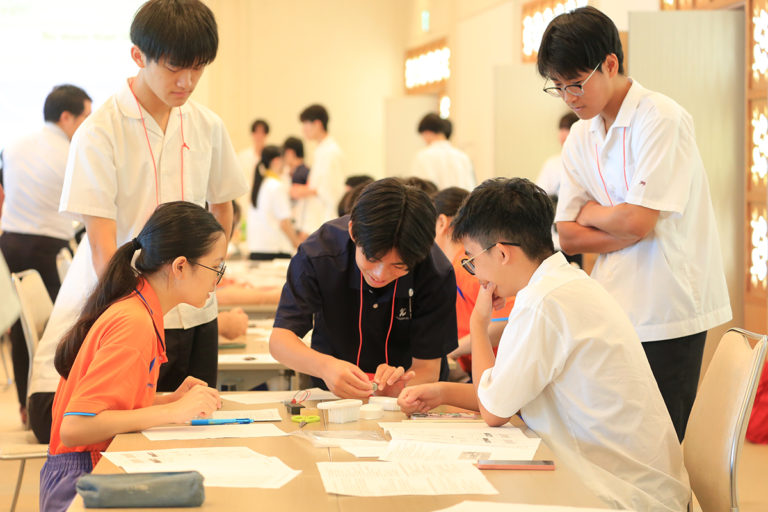
Mixed teams collaborate on scientific tasks, using diverse perspectives to solve problems through inquiry.
04
Cultural Exchange
Participants deepen mutual understanding through cultural performance and informal communication.
International Joint Project For Teachers: Guided Tour / Meet at the entrance of GRANSHIP
Main Hall - Ocean, 1F
12:00-14:00
Lunch
-
14:00-17:00
International Joint Project
Main Hall - Ocean, 1F
Time
Program
Venue
09:00
GRANSHIP opens
GRANSHIP
09:30-11:00
International Joint Project
Main Hall - Ocean, 1F
11:00-13:00
Lunch
-
13:00-15:00
Cultural Performance
Main Hall - Ocean, 1F
15:00-15:30
Questionnaire and Certificate of Participation
Main Hall - Ocean, 1F
15:30-15:45
Commendation Ceremony 表彰式
Main Hall - Ocean, 1F
15:45-16:00
Closing Ceremony 閉会式
Main Hall - Ocean, 1F
Participants
Participating schools
Australia
West Moreton Anglican College
Guam
St. John's School
Indonesia
Mentari Intercultural School
Japan
Hyogo Prefectural Tatsuno High School
Japan
Yasuda Gakuen Junior and Senior High School
Japan
Osaka Prefectural Senri High School
Japan
Shizuoka Prefectural Yaizu Chuo High School
Japan
Takada Junior & Senior High School
Japan
Shizuoka agriculture high school
Japan
Shizuoka Kita Junior High School
Japan
Shizuoka Kita High School
Macau
Pui Ching Middle School
Taiwan
The Affiliated Senior High School of National Chi-Nan University
Taiwan
Taichung Municipal HUI-WEN High School
Taiwan
National Lan-Yang Girls' Senior High School
Taiwan
Taichung Municipal Taichung First Senior High School
Taiwan
National Chia Yi Senior High School
Taiwan
Taipei Municipal Lishan High School
Thailand
Princess Chulabhorn Science High School Loei
Thailand
Holy Redeemer North Eastern Region School
Thailand
Holy Redeemer School Khon Kaen
SKYSEF 2026 Awards
Award-Winning Research Projects
We congratulate the students whose outstanding research projects received the Grand Award or Excellency Award at SKYSEF 2026.
Excellency Award
P-44Poster Presentation · Engineering
Development of an Ambient-Condition Ammonia Synthesis Method Utilizing the Formation and Accumulation of Fe–NHₓ
Shizuoka Kita High School
P-19Poster Presentation · Biology
Quantitative Analysis of Antennal Movements Triggering Trophallactic Behavior in Honeybees Using DeepLabCut, a Deep Learning-Based Markerless Pose-Tracking Tool
Power Generation in the Dark Using a Hybrid Dye-Sensitized Solar Cell
Yasuda Gakuen Junior and Senior High School
O2-6Oral Presentation · Biology
Confirmation by Re-dissolution Behavior of DNA Extracts
Takada Junior & Senior High School
O3-2Oral Presentation · Engineering
Electricity-Free Thermal Transfer from Rice Field into the Ground Using a Heat Pipe Featuring Dramatically Enhanced Water Phase-Change and Circulation
Shizuoka Kita High School
O4-3Oral Presentation · Chemistry
Development of 3D Printing Filament from Carboxymethyl Cellulose Synthesized from Sugarcane Bagasse
Princess Chulabhorn Science High School Loei
O5-5Oral Presentation · Biology
AI-Driven Synthesis of Active Ingredients in Bear Bile Assisted by Protein
Pui Ching Middle School
Protected Contents
Abstracts and Video Introduction of Research
You can check the Presentation Schedule & Venue for Oral/Poster. These materials are intended for participating schools and staff. Enter the shared password to view abstracts and video introductions.
Abstract: This independent study was conducted in preparation for the 2025 KidWind Challenge in Asia, starting from scratch to design and build a wind turbine. In the early stage, literature review was used to clarify the principles of wind power generation and to plan testing methods. During the design phase, the system was divided into three modules: the base structure, gearbox, and blades. The blade design underwent multiple iterations, combining theoretical calculations with experimental validation. In the testing phase, wind tunnel experiments were used to record data such as wind speed and rotational speed, which were organized into tables for analysis and further improvement. Through continuous verification and refinement, the turbine gradually became stable and capable of generating electricity, ultimately earning a Silver Award.
Abstract: In school laboratories, rapid filtration is often hindered by the lack of vacuum equipment, making regular gravity filtration time-consuming. This study aims to identify conditions that reduce filtration time by examining how the number of filter paper folds affects air pathways and filtration rates. Since literature on funnel-paper air pathways is limited, we investigate the relationships between filtration time and various factors, including folding methods, fold counts, contact area, and the presence of funnel grooves. Future work involves using a 3D printer to fabricate and evaluate funnels optimized for specific filter paper shapes. Ultimately, this research clarifies the relationship between airflow and filtration velocity to propose a simple, time-saving method for school experiments, contributing to more efficient funnel guidelines and laboratory procedures. (Venue:129 words)
Abstract: This study investigates the "wet-darkening effect" and analyzes the impact of varying wetness levels and liquid refractive indices on optical properties. Our experiments first demonstrated that the "Total Internal Reflection (Venue:TIR) theory" provides insufficient explanation for fabric media, leading the research to focus on the "Forward Scattering Enhancement theory." Using a self-developed optical measurement device and "Relative Gain Analysis," we quantified variables into three key components: the Filling Factor, the Refractive Index Matching Factor, and the Attenuation Correction Factor. The results confirm that liquid filling reduces interfacial reflection and enhances light penetration through refractive index matching. This constricts the forward scattering path and reduces backward diffuse reflection, ultimately resulting in the observed darkening of visual brightness.
Abstract: Normal solar cells only make electricity when there is light, so they always need extra batteries to store energy. To fix this problem, this study introduces a new hybrid dye-sensitized solar cell (Venue:HDSSC) that can produce power even in the dark. The researchers put a liquid iodine electrolyte into a cellulose filter paper. Under light conditions, it works as a normal solar cell. In the dark, it acts as both a chemical concentration cell and an electric double-layer capacitor. The tiny spaces in the cellulose fibers absorb the electrolyte. This creates a difference in ion density between the inside and outside of the cellulose, making chemical power. At the same time, ions gather at the electrodes to store and release electrical energy like a capacitor. While the normal liquid electrolyte showed zero voltage in the dark, this hybrid solar cell successfully maintained a high voltage of 591±45 mV.
Abstract: Metals produced by electrolysis are found in our daily lives in various forms, such as plating that coats the surfaces of other metals, metal trees, and dendrites. However, all of these metals consist of aggregates of minute single crystals, generally less than 50 μm in size, and only few experiments have been conducted to grow and scale up the single crystals themselves. Nevertheless, the single crystals growth via electrolysis offers the advantage of being able to proceed at room temperature. We believe this experiment holds the potential to yield large single crystals in a more cost-effective and a simpler manufacturing process. Currently, we are researching methods to control the size and shape of the single crystals formed by varying voltage and current. We grew rod-shaped crystals to a size approaching 1 × 1 × 10 mm. We plan to conduct further experiments on other conditions as well.
Abstract: Effects of Concentration, Temperature, and Salt Bridge on Electrical Output In this study, we investigated the factors influencing the electrical output of a concentration cell, including electrode materials (Venue:Cu, Zn, Al), concentration gradient, temperature, and the presence of a salt bridge. The objective was to identify conditions that enhance voltage and current generation. Each variable was systematically tested under controlled experimental conditions. Results indicate that no single “best” combination consistently maximizes performance across all conditions. Increasing concentration does not always improve output, and the presence of a salt bridge does not significantly enhance performance. In contrast, temperature shows a more stable and reliable effect on increasing electrical output. Lastly, this study highlights that the performance of a concentration cell is governed by multiple interacting factors rather than a single optimal setup.
Abstract: This study investigated the feasibility of producing a sustainable 3D-printing filament from carboxymethyl cellulose (Venue:CMC) synthesized from sugarcane bagasse. Cellulose extracted from bagasse was converted into CMC through alkalization and carboxymethylation, blended with polylactic acid (Venue:PLA) and maleic anhydride-grafted PLA (Venue:MA-g-PLA), and extruded into filament. Fourier Transform Infrared Spectroscopy (Venue:FTIR) confirmed CMC formation through the characteristic hydroxyl (Venue:–OH) absorption peak at 3270 cm⁻¹. The fabricated filament exhibited a uniform diameter of 2.15 ± 0.05 mm. Mechanical testing according to ASTM D885-03 showed a tensile strength of 21.40 MPa and an elongation at break of 1.4%. Differential Scanning Calorimetry (Venue:DSC) revealed a glass transition temperature of 50–55 °C, a cold crystallization temperature of 90–110 °C, and a melting temperature of 150–170 °C. These results demonstrate the potential of sugarcane bagasse as a renewable feedstock for bio-based filaments in additive manufacturing.
Abstract: Hydrogen is a clean, versatile energy source that can be produced from renewable resources as an alternative to fossil fuels. Seawater electrolysis powered by renewable energy offers a promising pathway for sustainable hydrogen generation. Since 97% of Earth’s water is seawater and Guam is surrounded by ocean, direct seawater electrolysis is an appealing option for the island. However, chloride ions (Venue:Cl⁻) present a major challenge. During electrolysis, chloride oxidation competes with the oxygen evolution reaction (Venue:OER), producing chlorine gas (Venue:Cl₂) and hypochlorite. Chlorine evolution lowers hydrogen production efficiency, increases anode corrosion, and creates safety concerns. Research therefore focuses on improving OER selectivity. This study compared two strategies influencing chlorine evolution: operating under alkaline conditions and using a copper anode. Chlorine production was quantified by reacting generated Cl₂ with potassium iodide and back‑titrating with sodium thiosulfate.
Abstract: The color change of a cobalt(Venue:II) chloride aqueous solution is widely used as a student experiment to visually understand Le Chatelier's principle. However, solvents such as acetone and high-concentration hydrochloric acid, which are recommended in existing experimental manuals, raise safety concerns in school educational settings due to their volatility and toxicity. In this study, ethanol was adopted as an alternative solvent, and response the equilibrium shift to changes in temperature and concentration was verified. Furthermore, to move away from reliance on qualitative color changes observed visually, a method was developed to extract RGB values from image data and quantify the blue/red ratio as an alternative indicator of the equilibrium constant. As a result, by using 85 vol% ethanol as the solvent, clear and quantitative observation of the equilibrium shift became possible without using hazardous substances, establishing a new student experiment procedure that is safe and highly educational.
Abstract: This study investigated how different grating methods affect the pungency of daikon, white Japanese radish. I grated radishes in four different ways and compared their taste. The daikon radish grated with strong force felt the most pungent. By measurement of sugar content it was found that stronger grating made the daikon radish less sweet and much more pungent.
Abstract: Microplastics (Venue:MPs) floating on water such as polyethylene and polypropylene are problem. Existing measuring methods are mostly to count them by microscope. However, the methods take a lot of time and are complex processes such needing preprocessing. Therefore, we develop a simple measuring method by absorbance spectrophotometer for MPs floating on water. Last year, we developed a measuring method using absorbance pigment (Venue:methylene blue (Venue:MB)) to MPs and sodium dodecyl sulfate (Venue:SDS). However, with the SDS-MB method, SDS are affected from impurity because SDS are low selectivity and are low sensitivity because SDS are high dielectric constant to be high ionic compound. This year, they were replaced with capsanthin-2-puropanol being low ionic compound. As a result, MPs selectivity improved. Furthermore, we were able to observe by adding saturated salt solution, the pigment is more likely to adsorb MPs floating on water. This method has the potential to quantify MPs with high sensitivity without being affected by other substances.
Abstract: Ursodeoxycholic acid (Venue:UDCA), a valuable active substance in bear bile, is traditionally obtained via cruel live bear bile extraction, raising ethical concerns. Chemical synthesis of UDCA suffers from complex procedures, pollution and high costs, while biosynthesis is limited by poorly characterized key enzymes. Here, based on resolved enzyme structures, we rationally engineered target enzymes using ProteinMPNN. Purified via E. coli expression and His-tag chromatography, the obtained enzyme variants exhibited enhanced activity and stability. They efficiently catalyzed UDCA synthesis and outperformed native enzymes. This work combines structural biology and AI-driven protein design, offering a green, economical and ethical strategy for UDCA production.
Abstract: Contrary to the belief that bats are inactive in winter, significant activity persists at Jinrui Riverside Park, likely due to stable food sources in aquatic environments. This study uses ultrasonic detectors to investigate the impact of environmental factors on bat activity across three foraging habitats: forest, wetland, and open sky. There were five species were identified, Rhinolophus formosae dominated forest areas, while Miniopterus fuliginosus was prevalent over water. Data shows before December bat activity in water less, when get into December bat activity surged, while forest remained low. Data suggests a positive correlation between moonlight intensity and bat activity in aquatic areas, but a negative correlation in forests; however, neither trend reached statistical significance, we need more research to improve our hypothesis.
Abstract: The Kavalan Ricefish has nearly disappeared from the wild, with a stable population remaining only in Shuanglianpi. This study investigates how the invasive Mosquitofish affects the wild restoration of the species through competition, habitat use, and predation. Experimental results showed that mosquitofish possess stronger adaptability and swimming performance, potentially leading to competitive exclusion. Significant differences in feeding behavior and microhabitat preference were also observed between the two species. In addition, mosquitofish frequently attacked juvenile Kavalan Ricefish, indicating that predation pressure may be a greater threat than competition. These findings help explain the difficulties of wild reintroduction. Field restoration actions are also currently being carried out in hopes of supporting the recovery and return of the Kavalan Ricefish to its natural habitat.
Abstract: Paramecium bursaria exhibits taxis, a behavior in which it alters its movement in response to external stimuli. The collective behavior of paramecium bursaria induced by taxis can be divided into two categories: physical factors, in which the organism is passively drawn toward a stimulus; and biological factors, in which the organism perceives the stimulus and actively modifies its own behavior. We thought that using a physical model might allow us to distinguish between these two factors. We adopted statistical mechanics as the model. If we regard Paramecium bursaria as physical particles, we can classify movements that follow statistical mechanics as those induced by physical factors, and those that contradict it as those induced by biological factors. We aim to use this approach to elucidate the properties of each type of taxis. In this study, we focused on electrochemotaxis and phototaxis.
Abstract: This project aims to study the effectiveness of eggshell-based biofertilizers combined with three different organic materials on the growth of mung beans and soil pH. The study also promotes the use of household waste as an environmentally friendly resource. Three biofertilizer formulas were prepared: eggshell with rice washing water, eggshell with sugar and EM4, and eggshell with banana peels. Each formula was applied to mung bean plants grown under the same environmental conditions. Data were collected by measuring plant height, number of leaves, and soil pH. The results will be compared to determine which formula is most effective in improving mung bean growth and adjusting soil acidity or alkalinity. This study identify a suitable biofertilizer formula for supporting plant growth and improving soil quality. It may also provide a practical way to produce natural fertilizer from household waste.
Abstract: Stag beetles are highly popular insects as pets in the world. During the larval stage, a pair of orange spot is observed exclusively on the abdomens of female larvae. These structures commonly referred to as “female spot”, have long been considered as ovary primordia and widely used for sex identification during larval period. However, no anatomical evidence has been presented to support this assumption. In this study, we tested the hypothesis that female spots are not ovary primordia but instead function as organs harboring symbiotic microorganisms. First, we examined the presence and size of female spot in both sexes and found that some male larvae also possessed these structures. Second, Analysis based on paraffin sections and SEM revealed that the female spots are matrix-like structure on the digestive tract, indicating that they are unlikely to be ovary primordia.Third, we identified microorganisms within the female spots and the mycangia by sequencing PCR-amplified 26S rRNA genes. The detected microorganisms were xylose-fermenting yeasts, which were the same species as those detected from the mycangia of adult females. Overturning the conventional view documented in classification guides, our results strongly suggest that female spots are not ovary primordia but symbiotic organs that harbor symbiotic yeasts. Our findings call for a revision of the conventional interpretation of female spots and provide new insights into symbiosis in stag beetles.
Abstract: This study investigates the effects of copper sulfate (Venue:CuSO4) on Drosophila melanogaster. Findings show that maximum population survival decays exponentially as copper concentration increases, modeled by N(Venue:x)=160e^−0.017x (Venue:5% error). Male flies exhibit acute lethality at sub-lethal concentrations, while females show sensory retardation and abnormal escape behaviors. Notably, copper exposure reduces normal male courtship and triggers male-to-male courtship at concentrations above 40 mg/L, likely due to oxidative stress damaging pheromone recognition. This research quantifies heavy metal toxicity and proposes using AI-driven behavioral monitoring as a low-cost environmental early warning system.
Abstract: Honeybees share food with each other through a behavior called trophallaxis, in which a recipient extends its proboscis to drink nectar from a donor. Understanding how this behavior is initiated is key to revealing communication mechanisms in social insects. Recipients frequently tap the donor’s mandibles with their antennae; however, the functional role of antennal movements (Venue:AMs) remains unclear due to their rapid, complex motion. Here, we show that specific AMs in recipients play a causal role in trophallaxis using an AI-based pose-tracking tool (Venue:DeepLabCut) in combination with behavioral assays. By tracking interactions between harnessed bees, we found that recipient antennae were oriented toward donors before proboscis extension and exhibited high-frequency (Venue:>50 Hz) vibrations during trophallaxis, whereas no specific AMs were observed in donors. To test causality, we compared donor responses when the antennae of live (Venue:movable) or dead (Venue:immobile) bees were alternately brought into contact with a donor's head. Donors showed significantly higher rates of nectar offering toward live bees. These results indicate that mechanical stimulation generated by the recipients' antennal vibration contributes to initiating trophallaxis. Our findings suggest that honeybee antennae function not only as sensory organs but also as effectors that generate mechanical signals, providing new insights into social insect communication and informing bio-inspired systems such as swarm robotics.
Abstract: This research aims to study the potential of extracts from local medicinal plants, including neem leaves, Siam weed leaves, and aloe vera, in reducing plant pest infestation. The plant materials were extracted using three types of solvents: 40-degree liquor, 70% alcohol, and 95% alcohol. The extracts were fermented for 7, 15, and 30 days, then diluted with water at ratios of 10:10, 10:20, and 10:40 before being tested against plant pests such as aphids and caterpillars. The study is expected to show that the mixed extract of neem leaves, Siam weed leaves, and aloe vera fermented with 70% alcohol for 15–30 days and used at a higher concentration will be the most effective in reducing pest numbers. This research highlights the potential of local medicinal plants for developing safe and environmentally friendly biological pest control products.
Abstract: In recent years, there have been concerns in Shizuoka City that the introduction of non-native species may cause the ecosystem of the native species originally found in the area to collapse. We conducted field surveys to study the fauna of the Tomoe River system and to clearly identify the distribution of invasive and native species. The research involved collecting aquatic organisms using tamo net. And we also examined their habitats, including water quality, the river’s elevation, and the flow of the water. As a result, non-native species were found at 3 of the 13 study sites. The non-native species were not widespread but were found only in limited areas. It was found that the ecosystem in the Tomoe River basin is still dominated by native species. The locations where the non-native species were found shared several common points. The non-native species were found in large numbers in areas with slow-moving water or in still water with abundant aquatic plants.
Abstract: Melanoma is highly aggressive, and in about half of patients, immunotherapy fails due to the tumor microenvironment (Venue:TME), an immunosuppressive cellular environment surrounding the tumor. Regulatory T cells (Venue:Tregs), which suppress immune responses, rely on fatty acid oxidation to maintain their function, thereby hindering cytotoxic T cells (Venue:Tc1) from attacking cancer cells. This study aims to investigate whether turmeric-derived PELNs (Venue:plant exosomelike nanovesicles) can enhance therapeutic efficacy. The results showed that red turmeric-derived exosomes (Venue:rT-PELN) were more effective than those from autumn turmeric (Venue:aT-PELN) in enhancing immune activity, and thus were selected as the focus. rT-PELN inhibited fatty acid metabolism and suppressive factor secretion in Tregs, while enhancing glycolysis in Tc1 cells and promoting the expression of transcription factors associated with antitumor activity, thereby increasing cytotoxicity. By reprogramming the TME, rT-PELN demonstrates strong potential as a natural, low-toxicity adjuvant strategy for cancer immunotherapy.
Abstract: We have been investigating the geographic distribution of soil fauna in the Asahata and Sena areas. The study results showed that even slight differences in location led to differences in the species of soil mites found there. For this reason, we became interested in the ecology of soil mites. We believed that the type of organic matter they feed on has the greatest impact on their distribution, so we decided to investigate their feeding habits. In this study, we conducted a study on the feeding habits of soil mites, using a mikan orchard—which has the highest mite population among those studied to date—as the collection site.
Abstract: This study investigated how bone meal affects plant growth. I grew three morning glory plants with different fertilizers for two weeks. Liquid fertilizer produced the tallest plants, while bone meal produced more flowers and stronger stems. These results demonstrates that choosing the right fertilizer is important depending on specific growing goals.
Abstract: This study investigated how different colors of light affect plant growth. I grew pea sprouts under six different light conditions for five days. The pea sprouts grown under red and white light grew the best, while those without light showed minimum growth. It shows that light, especially red light, would be important for plant growth.
Abstract: This study investigates the development of a synergistic bio-capillary humidity regulator synthesized from pyrolyzed rice husk biochar and a gelatinized C6H10O5 starch matrix. WHile traditional desiccants often require energy-intensive regeneration and lack saturation feedback, this research engineered a functional composite that integrates moisture adsorption with a self- indicating diagnostic signal. Chemical activation with phosphoric acid was employed to optimize the biochar’s microporous structure, while the incorporation of cobalt (Venue:II) chloride provided a reversible bathochromic shift (Venue:blue to pink) to signal adsorption equilibrium. Gravimetric analysis quantified water adsorption capacity, while ph testing confirmed the material’s chemical neutrality and safety for food-contact environments. Empirical trials demonstrated a significant extension in the “Time-to-Mold” (Venue:TTM) for high-moisture food samples compared to untreated controls. The module maintained structural integrity during solar-thermal regeneration, proving its sustainability. Upcycling agricultural residues into “smart” carbon sinks offers a sustainable, biodegradable, and costeffective alternative for advanced post-harvest preservation.
Abstract: Breadfruit (Venue:Artocarpus altilis), locally known as lemmai in the Mariana Islands, is a culturally significant staple crop widely consumed throughout Guam and other Pacific Island communities. Beyond its traditional culinary applications, breadfruit presents emerging potential as a substrate for functional food development. In particular, increasing interest in plant-based probiotics has created opportunities to explore indigenous crops as alternative microbial delivery systems. Probiotics are live microorganisms that confer health benefits when consumed by regulating the gut microbiota, enhancing immune responses, and improving intestinal barrier function. However, most commercial probiotic products are dairy-based, limiting accessibility for individuals with lactose intolerance and other dietary restrictions. By integrating microbiological analysis with food science and fermentation techniques, this study aims to determine whether breadfruit can function as a sustainable carrier for probiotic organisms. The development of breadfruit-based probiotic systems may expand plant-based functional food options while promoting nutritional innovation and agricultural sustainability within Pacific Island Nations.
Abstract: Marine plastic pollution, including “ghost fishing,” poses a serious threat to marine ecosystems. Nylon, a major contributor to this issue, has long been considered non-biodegradable; however, recent research by the University of Tokyo has demonstrated its potential for biological degradation. In this study, we aimed to identify microorganisms involved in the biodegradation of nylon. First, we compared the surface and internal structures of nylon fishing lines submerged in the ocean with those of control samples. Although the submerged lines exhibited biofilm-like attachments, no significant structural changes were observed in either sample. Next, metagenomic analysis of microorganisms attached to the submerged lines identified 1,034 species, including taxa previously associated with plastic degradation. These findings suggest that, despite the absence of visible degradation, the identified microbial communities may utilize nylon as a carbon source, potentially playing a key role in its biodegradation.
Abstract: Fishing-related marine debris remains a significant yet understudied issue in coastal environments. This study aimed to clarify its impact by examining its composition and abundance. We analyzed collected fishing debris, conducted surveys of angler behavior, and utilized data from fishing-related mobile applications. By integrating these datasets with GIS-based measurements of coastline length, we developed a mathematical model to estimate debris accumulation at different coastal sites. Our results show that fishing-related debris exhibits clear seasonal fluctuations corresponding to changes in angler activity. These findings suggest that debris accumulation can be predicted based on patterns of fishing activity. Furthermore, our model estimates that approximately 3 tons of fishing-related debris accumulate annually along the coast of Shizuoka Prefecture, indicating a substantial environmental burden. To further advance this research, we plan to conduct year-round quantitative assessments and expand the model to cover coastlines across Japan.
Abstract: This invention relates to a manufacturing method of cat litter using passion fruit shells biochar. The shells are washed, dried, crushed, and carbonized under low-oxygen conditions to form porous biochar powder. The powder is then mixed with soybean residue, tapioca starch, corn starch, guar gum, and water to form a composite material, which is molded and dried into cat litter. The porous structure of the biochar enhances adsorption and odor control performance. This approach also utilizes agricultural and food-processing by-products, achieving waste reduction, resource recycling, and environmental sustainability.
Abstract: This study introduces an innovative "Double-Lock Carbon System" to establish a zerowaste circular economy for agricultural residuals, specifically amplifying the value of regional yellow carbon. To address the dual challenges of open-burning pollution and spent mushroom substrate accumulation in Puli, a cascading utilization framework was developed. First, abundant local water bamboo husks and tea dregs were upcycled to replace traditional sawdust substrates, effectively expanding agricultural yellow carbon sinks at the source. Second, the remaining biomass was transformed into soil-degradable bio-plastics. This integrated approach successfully extends biomass carbon storage and maximizes long-term carbon sequestration within solid materials while replacing fossilbased plastics. Ultimately, this research provides a practical, carbon-negative pathway that advances yellow carbon strategies and directly aligns with global climate initiatives.
Abstract: The purpose of this study is to investigate the distribution of turtles in the upper reaches of the Tomoe River, including its tributaries, and to clarify the effectiveness of control measures by comparing the results with data collected over the past 14 years. Trapping surveys were conducted annually for a 20-day period between May and early August, utilizing an average of 30 traps. The 2025 survey revealed that, consistent with previous years, non-native species such as the red-eared turtle (Venue:Trachemys scripta elegans) and the Chinese pond turtle (Venue:Mauremys reevesii) accounted for the majority of the captured individuals. Trends in population structure indicate that for red-eared turtles, the number of juveniles has been maintained at a constant level through the capture of a larger number of sexually mature individuals. In contrast, no changes were observed in the population trends of either sexually mature individuals or juveniles for Chinese pond turtles. In the future, we plan to consider improvements such as concentrated trap placement based on habitat distribution and selective capture utilizing subtle differences in diet. Furthermore, to prevent damage to food resources and deterioration of water quality, and to protect the region's unique natural environment, we intend to continue this trapping survey to conserve the habitats of native organisms while controlling invasive species.
Abstract: The purpose of this study is to investigate the distribution of turtles in the upper reaches of the Tomoe River, including its tributaries, and to clarify the effectiveness of control measures by comparing the results with data collected over the past 14 years. Trapping surveys were conducted annually for a 20-day period between May and early August, utilizing an average of 30 traps. The 2025 survey revealed that, consistent with previous years, non-native species such as the red-eared turtle (Venue:Trachemys scripta elegans) and the Chinese pond turtle (Venue:Mauremys reevesii) accounted for the majority of the captured individuals. Trends in population structure indicate that for red-eared turtles, the number of juveniles has been maintained at a constant level through the capture of a larger number of sexually mature individuals. In contrast, no changes were observed in the population trends of either sexually mature individuals or juveniles for Chinese pond turtles. In the future, we plan to consider improvements such as concentrated trap placement based on habitat distribution and selective capture utilizing subtle differences in diet. Furthermore, to prevent damage to food resources and deterioration of water quality, and to protect the region's unique natural environment, we intend to continue this trapping survey to conserve the habitats of native organisms while controlling invasive species.
Abstract: This study evaluated water quality using both water testing and bioindicators. I investigated three locations along a distributary of Inase River, Fuikawa River system, and measured COD, DO, and pH. The results showed good water quality, but we also found rainbow trout, alien species. That’s why there were concerns about the potential impact on benthic organisms and other aquatic lives.
Abstract: This study is the development of a Python-based software to observe the growth of bubbles in carbonated water. It is hard to see this growth with our eyes. So, we made original program to show and check it with numbers. First, we put a round sticker inside a petri dish and take pictures using a webcam. Our Python software automatically finds the sticker and uses its size as a standard ruler. Next, the software calculates the ellipticity of each bubble. Bubbles change their shapes because of buoyancy. By using the long and short sides of the distorted bubbles, the Python code automatically finds the exact equivalent diameter. Finally, the software records the growth and numbers. As a future task, we plan to update the software to make it easier to graph how quickly bubbles grow over time. This project allows us to create a simple yet highly accurate measurement system just by writing our own code, and it helps in understanding the nature of bubbles.
Abstract: We developed the alkali metal ions measurement device for agricultural monitoring. Conventional flame photometers and ICP emission spectrometers are expensive and heavy. This device overcomes these challenges by achieving a handheld size, low-cost, and flameless, using corona discharge by a Tesla coil. This device is composed of a STM32 Nucleo board, a tesla coil, electrodes, a display, and tactile switches and a C12880MA sensor as a spectrometer. The sensor can measure the required wavelength range(Venue:340-850nm). This device can easily calibrate and measure Li, Na, K ions by operating tactile switches. Experimental evaluations, using lithium and sodium ions, showed high accuracy, with a correlation coefficient of more than 0.99. This device can be used for environmental monitoring in agricultural soil analysis.
Abstract: Financial misinformation exploits two cognitive system reactions, System 1 (Venue:fast, emotional) responses trigger System 2 analytical evaluation, particularly when headlines use overstatements or personalized pronouns. These linguistic patterns were identified as the strongest predictors of fake news (Venue:Bachate & S, 2025). The 2013 AP Twitter hack erased $130 billion in equity value in minutes, demonstrating how fake financial news bypasses rational decision making and triggers automated market responses before verification is possible. FinBERT achieves state-of-the-art financial fake news detection, and frames a novel interdisciplinary research agenda connecting computational NLP to behavioral finance and cognitive psychology. This study only represents the early phases of a broader research program connecting these three areas. Future work will incorporate FakeNewsNet for causal volatility analysis and benchmark other transformer architectures against the FinBERT result.
Abstract: To reduce X-ray misdiagnoses, we developed an AI tool to assist veterinarians in diagnosing thoracic X-rays. By combining clinical physical examinations with medical imaging, this system is specifically designed to identify pulmonary lesions that are difficult to detect with the naked eye, such as tiny nodules and collapsed tissues. The inspiration for this project stems from two well-known concepts: the rapid imagematching technology of the 'PictureThis' App and the quality control consensus mechanism of the 'iNaturalist' platform.
Abstract: 1. We set up an exclusive production history website, integrate temperature, humidity, pH and growth photo records, and finally display it by scanning QR code. 2. Make the boring pages of the web page look good, and image complex data, and add the knowledge base to popularize relevant knowledge to improve the readability and interactivity of information. 3. Introduce the sign-in and lucky draw reward mechanism: provide unique role-playing games of different levels in Taiwan to encourage farmers to continue to record and practice sustainable farming. 4. Instructions for the use of the web page: teach growers and consumers how to operate and use it.
Abstract: Visual clutter is usually evaluated subjectively, making quantitative assessment difficult. This study developed a camera-based system that objectively estimates visual clutter by detecting colors and objects in an image. First, 30 color-grid samples were evaluated using a 5-point Likert-scale questionnaire to model human perception and optimize an evaluation function. The questionnaire results showed that perceived visual clutter follows a saturating function with a high goodness of fit (R² = 0.9402). Next, a Python-based image analysis system using a webcam was developed to detect visual features and calculate clutter scores automatically. The system outputs showed strong agreement with questionnaire-based evaluations, indicating that the proposed method effectively reproduces human perception of visual clutter. These results demonstrate that visual clutter can be quantified objectively without relying on individual subjective judgments. The developed system has potential applications in evaluating the organization of desks, display shelves, and other indoor environments.
Abstract: This study explores a hydrogen‑generation method using iron electrodes coated with an electrochemically formed Fe₃O₄ layer. A two‑step process was employed: anodic oxidation in Na₂SO₄ produced a uniform FeOOH/Fe₂O₃ film, which was subsequently converted into a magnetite‑rich Fe₃O₄ coating through cathodic treatment in NaOH. The resulting black film exhibited magnetic response, indicating successful Fe₃O₄ formation. Hydrogen‑evolution experiments were conducted under simultaneous light irradiation and an external magnetic field. Light promoted electronic excitation within the Fe₃O₄ layer, while the magnetic field enhanced electron hopping and charge transport through the mixed‑valence structure. These synergistic effects accelerated proton reduction at the electrode surface, leading to increased hydrogen production compared with non‑stimulated conditions. The results demonstrate that combining Fe₃O₄‑coated iron electrodes with optical and magnetic stimulation provides a low‑cost and effective strategy for enhancing water‑splitting performance.
Abstract: Get real-time YouBike station updates across Taiwan directly via Discord. Check bike availability and station status anytime, anywhere through your Discord bot.
Abstract: Extreme heat days are increasing, causing severe damage to rice cultivation. To address this issue, we developed an electricity-free inverted heat pipe (Venue:HP) that transfers heat from surface water layer to 1 m underground using the capillary action and the siphon effect. Water sealed in a reduced-pressure aluminum pipe evaporates at 308 K, absorbs heat from surface water layer, moves downward and condenses underground at 298 K by maintaining pressure difference between the upper and lower section. The condensate returns through a mercerized cotton-cloth wick, whose upper end was treated by esterifying PVA with citric acid and glycerin to enhance the siphon effect. This system enables heat transfer even at temperature differences of only 5-10 K. The HP achieved a heat-transfer rate of 1.4 kJ/min/m. Simulations indicate that, when combined with a removable horizontal HP, 21 inverted HPs per hectare could reduce water temperature by 10 K within 24 h, demonstrating potential for regions with limited electricity or infrastructure.
Abstract: This study demonstrates that Fe(Venue:OH)ₓ solids formed in aqueous media directly contribute to ammonia formation under ambient conditions. Mixed‑valence Fe²⁺/Fe³⁺ Fe(Venue:OH)ₓ enables small‑polaron electron hopping, allowing electrons to migrate within the solid and partially reduce N₂ to NHₓ species. Acid‑dissolution analysis showed that 60–90% of total NH₃ originates from the solid phase, indicating that the primary reaction pathway is governed by solid‑state electron transfer. Comparative experiments revealed that mixed‑valence Fe(Venue:OH)ₓ exhibits the highest NHₓ formation and retention due to enhanced electron mobility and π*‑orbital electron injection into N₂. Electrochemical control using Fe electrodes stabilized mixed‑valence Fe(Venue:OH)ₓ/Fe₃O₄ at 2.2–2.4 V, enabling reproducible NHₓ accumulation and staged NH₃ release. This solid‑phase mechanism offers a promising ambient‑condition alternative to Haber–Bosch.
Abstract: Taiwan's severe coastal salt mist corrosion frequently causes premature LED equipment failure due to sodium ion infiltration. To address this, this project develops a non-invasive diagnostic system that simultaneously captures 1D electrical signatures and 2D visual imagery for real-time health assessment. By integrating these cross-dimensional signals, we successfully established a degradation model to replace traditional reactive maintenance, achieving the goal of intelligent predictive maintenance.
Abstract: This study investigates senior high school students’ awareness and attitudes toward stray animal euthanasia policies in Taiwan. A questionnaire survey was conducted among students at Hui-Wen Senior High School to explore their understanding of the zero-euthanasia policy, perspectives on animal euthanasia, and responsible pet ownership behaviors. The results showed that students’ knowledge of the policy was limited, with many having misunderstandings about its actual regulations. However, most students held a rational attitude toward euthanasia and agreed that it may be an appropriate choice for animals suffering from severe illness. Students with pet-raising experience showed higher awareness and understanding of related policies. The study suggests strengthening animal protection education, improving policy communication, and promoting responsible ownership to reduce the stray animal problem.
Abstract: We are conducting research with the goal of synthesizing color-change sapphire in our school’s chemistry laboratory. At present, we are focusing on synthesizing ruby, which has the same main component as sapphire, based on previous research. First, 7.120 g of molybdenum oxide, 0.380 g of aluminum oxide, and 0.002 g of chromium oxide were mixed and placed in a platinum crucible with a lid. The crucible was then heated in an electric furnace to 800°C and held at that temperature for 25 minutes. After that, the temperature was increased by 100°C at a time, and the sample was held for 25 minutes each at 900°C, 1000°C, and 1100°C. After heating, it was allowed to cool naturally inside the furnace. In the future, we plan to adjust the heating time and the proportions of the reagents to determine the conditions for consistently synthesizing ruby. Based on these results, we hope to eventually challenge ourselves to synthesize color-change sapphire.
Abstract: We are conducting research to increase tea farmers’ income by adding value to second-flush tea leaves, which are often left unharvested. Second-flush tea is harvested in summer after the first flush of the year. However,because it has fewer nutrients and heavier flavors,its market price is lower than that of first-flush tea.And, in fact, some tea farmers don’t harvest it at all. To address this issue, we applied what we learned in our food microbiology class and developed a post-fermented tea using koji mold.Koji mold is a safe fungus widely used in traditional Japanese fermented foods to enhance sweetness and umami. While studying fermented foods and microorganisms, we learned that tea can be produced as a fermented food, known as post-fermented tea. This inspired us to investigate whether introducing koji mold to second-flush tea leaves could create a new value-added tea product.
Oral Abstracts
Abstract: This study demonstrates that Fe(Venue:OH)ₓ solids formed in aqueous media directly contribute to ammonia formation under ambient conditions. Mixed‑valence Fe²⁺/Fe³⁺ Fe(Venue:OH)ₓ enables small‑polaron electron hopping, allowing electrons to migrate within the solid and partially reduce N₂ to NHₓ species. Acid‑dissolution analysis showed that 60–90% of total NH₃ originates from the solid phase, indicating that the primary reaction pathway is governed by solid‑state electron transfer. Comparative experiments revealed that mixed‑valence Fe(Venue:OH)ₓ exhibits the highest NHₓ formation and retention due to enhanced electron mobility and π*‑orbital electron injection into N₂. Electrochemical control using Fe electrodes stabilized mixed‑valence Fe(Venue:OH)ₓ/Fe₃O₄ at 2.2–2.4 V, enabling reproducible NHₓ accumulation and staged NH₃ release. This solid‑phase mechanism offers a promising ambient‑condition alternative to Haber–Bosch.
Abstract: Metals produced by electrolysis are found in our daily lives in various forms, such as plating that coats the surfaces of other metals, metal trees, and dendrites. However, all of these metals consist of aggregates of minute single crystals, generally less than 50 μm in size, and only few experiments have been conducted to grow and scale up the single crystals themselves. Nevertheless, the single crystals growth via electrolysis offers the advantage of being able to proceed at room temperature. We believe this experiment holds the potential to yield large single crystals in a more cost-effective and a simpler manufacturing process. Currently, we are researching methods to control the size and shape of the single crystals formed by varying voltage and current. We grew rod-shaped crystals to a size approaching 1 × 1 × 10 mm. We plan to conduct further experiments on other conditions as well.
Abstract: Normal solar cells only make electricity when there is light, so they always need extra batteries to store energy. To fix this problem, this study introduces a new hybrid dye-sensitized solar cell (Venue:HDSSC) that can produce power even in the dark. The researchers put a liquid iodine electrolyte into a cellulose filter paper. Under light conditions, it works as a normal solar cell. In the dark, it acts as both a chemical concentration cell and an electric double-layer capacitor. The tiny spaces in the cellulose fibers absorb the electrolyte. This creates a difference in ion density between the inside and outside of the cellulose, making chemical power. At the same time, ions gather at the electrodes to store and release electrical energy like a capacitor. While the normal liquid electrolyte showed zero voltage in the dark, this hybrid solar cell successfully maintained a high voltage of 591±45 mV.
Abstract: Microplastics (Venue:MPs) floating on water such as polyethylene and polypropylene are problem. Existing measuring methods are mostly to count them by microscope. However, the methods take a lot of time and are complex processes such needing preprocessing. Therefore, we develop a simple measuring method by absorbance spectrophotometer for MPs floating on water. Last year, we developed a measuring method using absorbance pigment (Venue:methylene blue (Venue:MB)) to MPs and sodium dodecyl sulfate (Venue:SDS). However, with the SDS-MB method, SDS are affected from impurity because SDS are low selectivity and are low sensitivity because SDS are high dielectric constant to be high ionic compound. This year, they were replaced with capsanthin-2-puropanol being low ionic compound. As a result, MPs selectivity improved. Furthermore, we were able to observe by adding saturated salt solution, the pigment is more likely to adsorb MPs floating on water. This method has the potential to quantify MPs with high sensitivity without being affected by other substances.
Abstract: This research aims to study the potential of extracts from local medicinal plants, including neem leaves, Siam weed leaves, and aloe vera, in reducing plant pest infestation. The plant materials were extracted using three types of solvents: 40-degree liquor, 70% alcohol, and 95% alcohol. The extracts were fermented for 7, 15, and 30 days, then diluted with water at ratios of 10:10, 10:20, and 10:40 before being tested against plant pests such as aphids and caterpillars. The study is expected to show that the mixed extract of neem leaves, Siam weed leaves, and aloe vera fermented with 70% alcohol for 15–30 days and used at a higher concentration will be the most effective in reducing pest numbers. This research highlights the potential of local medicinal plants for developing safe and environmentally friendly biological pest control products.
Abstract: This study investigates the effects of copper sulfate (Venue:CuSO4) on Drosophila melanogaster. Findings show that maximum population survival decays exponentially as copper concentration increases, modeled by N(Venue:x)=160e^−0.017x (Venue:5% error). Male flies exhibit acute lethality at sub-lethal concentrations, while females show sensory retardation and abnormal escape behaviors. Notably, copper exposure reduces normal male courtship and triggers male-to-male courtship at concentrations above 40 mg/L, likely due to oxidative stress damaging pheromone recognition. This research quantifies heavy metal toxicity and proposes using AI-driven behavioral monitoring as a low-cost environmental early warning system.
Abstract: 1. We set up an exclusive production history website, integrate temperature, humidity, pH and growth photo records, and finally display it by scanning QR code. 2. Make the boring pages of the web page look good, and image complex data, and add the knowledge base to popularize relevant knowledge to improve the readability and interactivity of information. 3. Introduce the sign-in and lucky draw reward mechanism: provide unique role-playing games of different levels in Taiwan to encourage farmers to continue to record and practice sustainable farming. 4. Instructions for the use of the web page: teach growers and consumers how to operate and use it.
Abstract: We developed the alkali metal ions measurement device for agricultural monitoring. Conventional flame photometers and ICP emission spectrometers are expensive and heavy. This device overcomes these challenges by achieving a handheld size, low-cost, and flameless, using corona discharge by a Tesla coil. This device is composed of a STM32 Nucleo board, a tesla coil, electrodes, a display, and tactile switches and a C12880MA sensor as a spectrometer. The sensor can measure the required wavelength range(Venue:340-850nm). This device can easily calibrate and measure Li, Na, K ions by operating tactile switches. Experimental evaluations, using lithium and sodium ions, showed high accuracy, with a correlation coefficient of more than 0.99. This device can be used for environmental monitoring in agricultural soil analysis.
Abstract: To reduce X-ray misdiagnoses, we developed an AI tool to assist veterinarians in diagnosing thoracic X-rays. By combining clinical physical examinations with medical imaging, this system is specifically designed to identify pulmonary lesions that are difficult to detect with the naked eye, such as tiny nodules and collapsed tissues. The inspiration for this project stems from two well-known concepts: the rapid imagematching technology of the 'PictureThis' App and the quality control consensus mechanism of the 'iNaturalist' platform.
Abstract: Taiwan's severe coastal salt mist corrosion frequently causes premature LED equipment failure due to sodium ion infiltration. To address this, this project develops a non-invasive diagnostic system that simultaneously captures 1D electrical signatures and 2D visual imagery for real-time health assessment. By integrating these cross-dimensional signals, we successfully established a degradation model to replace traditional reactive maintenance, achieving the goal of intelligent predictive maintenance.
Abstract: This study investigates the effects of electrode material (Venue:Cu, Zn, and Al), concentration gradient, temperature, and cell configuration using either a cellophane membrane or a salt bridge on the voltage and current output of a concentration cell. Identical experimental conditions were maintained to ensure fair comparison. The temperature effect was interpreted using the Nernst equation. Results show that increasing concentration did not consistently improve performance. Significant differences in electrical output were observed among Cu, Zn, and Al electrodes. While the salt bridge did not always enhance output, replacing it with a cellophane membrane significantly affected current generation. In addition, higher temperature led to a stable increase in current and voltage. Overall, electrode material, concentration gradient, and membrane configuration had greater impacts on cell performance than temperature.
Abstract: During a classroom DNA extraction experiment, DNA was identified by acetic orcein staining. To investigate a simpler confirmation method, we examined the re-dissolution behavior of the extracted precipitate. DNA was extracted from frozen bananas using NaCl solution and detergent, filtered, and precipitated with cold ethanol. The resulting white fibrous precipitate was collected and transferred to a 2.0 mol/L NaCl solution. Upon transfer, the precipitate rapidly unraveled, dissolved, and became uniformly dispersed throughout the solution. This behavior is consistent with the physicochemical properties of DNA, whose phosphate groups are hydrated and stabilized by sodium ions in saline solution. In contrast, proteins and polysaccharides generally do not show such rapid and uniform re-dissolution. These results strongly suggest that the precipitate obtained in the extraction experiment was DNA.
Abstract: This independent study was conducted in preparation for the 2025 KidWind Challenge in Asia, starting from scratch to design and build a wind turbine. In the early stage, literature review was used to clarify the principles of wind power generation and to plan testing methods. During the design phase, the system was divided into three modules: the base structure, gearbox, and blades. The blade design underwent multiple iterations, combining theoretical calculations with experimental validation. In the testing phase, wind tunnel experiments were used to record data such as wind speed and rotational speed, which were organized into tables for analysis and further improvement. Through continuous verification and refinement, the turbine gradually became stable and capable of generating electricity, ultimately earning a Silver Award.
Abstract: Extreme heat days are increasing, causing severe damage to rice cultivation. To address this issue, we developed an electricity-free inverted heat pipe (Venue:HP) that transfers heat from surface water layer to 1 m underground using the capillary action and the siphon effect. Water sealed in a reduced-pressure aluminum pipe evaporates at 308 K, absorbs heat from surface water layer, moves downward and condenses underground at 298 K by maintaining pressure difference between the upper and lower section. The condensate returns through a mercerized cotton-cloth wick, whose upper end was treated by esterifying PVA with citric acid and glycerin to enhance the siphon effect. This system enables heat transfer even at temperature differences of only 5-10 K. The HP achieved a heat-transfer rate of 1.4 kJ/min/m. Simulations indicate that, when combined with a removable horizontal HP, 21 inverted HPs per hectare could reduce water temperature by 10 K within 24 h, demonstrating potential for regions with limited electricity or infrastructure.
Abstract: Microplastic pollution is a growing environmental problem because tiny plastic particles can enter waterways and harm aquatic ecosystems. Major roads may be a significant source of these particles through tyre wear, litter, and road runoff. This investigation aims to answer the question: How does proximity to major roads affect the concentration of suspected microplastics in local waterways? Water samples will be collected from several sites located at different distances from major roads. The samples will be filtered to identify and count suspected microplastic particles. The results will then be compared to determine whether waterways closer to major roads contain higher concentrations of suspected microplastics. This investigation is important because it can improve understanding of the relationship between road traffic and microplastic pollution. The findings could help councils, environmental organisations, schools and local communities develop strategies to reduce pollution, improve water quality, and protect aquatic ecosystems from the impacts of plastic contamination.
Abstract: Paramecium bursaria exhibits taxis, a behavior in which it alters its movement in response to external stimuli. The collective behavior of paramecium bursaria induced by taxis can be divided into two categories: physical factors, in which the organism is passively drawn toward a stimulus; and biological factors, in which the organism perceives the stimulus and actively modifies its own behavior. We thought that using a physical model might allow us to distinguish between these two factors. We adopted statistical mechanics as the model. If we regard Paramecium bursaria as physical particles, we can classify movements that follow statistical mechanics as those induced by physical factors, and those that contradict it as those induced by biological factors. We aim to use this approach to elucidate the properties of each type of taxis. In this study, we focused on electrochemotaxis and phototaxis.
Abstract: Hydrogen is a clean, versatile energy source that can be produced from renewable resources as an alternative to fossil fuels. Seawater electrolysis powered by renewable energy offers a promising pathway for sustainable hydrogen generation. Since 97% of Earth’s water is seawater and Guam is surrounded by ocean, direct seawater electrolysis is an appealing option for the island. However, chloride ions (Venue:Cl⁻) present a major challenge. During electrolysis, chloride oxidation competes with the oxygen evolution reaction (Venue:OER), producing chlorine gas (Venue:Cl₂) and hypochlorite. Chlorine evolution lowers hydrogen production efficiency, increases anode corrosion, and creates safety concerns. Research therefore focuses on improving OER selectivity. This study compared two strategies influencing chlorine evolution: operating under alkaline conditions and using a copper anode. Chlorine production was quantified by reacting generated Cl₂ with potassium iodide and back‑titrating with sodium thiosulfate.
Abstract: This study introduces an innovative "Double-Lock Carbon System" to establish a zerowaste circular economy for agricultural residuals, specifically amplifying the value of regional yellow carbon. To address the dual challenges of open-burning pollution and spent mushroom substrate accumulation in Puli, a cascading utilization framework was developed. First, abundant local water bamboo husks and tea dregs were upcycled to replace traditional sawdust substrates, effectively expanding agricultural yellow carbon sinks at the source. Second, the remaining biomass was transformed into soil-degradable bio-plastics. This integrated approach successfully extends biomass carbon storage and maximizes long-term carbon sequestration within solid materials while replacing fossilbased plastics. Ultimately, this research provides a practical, carbon-negative pathway that advances yellow carbon strategies and directly aligns with global climate initiatives.
Abstract: This study investigates the development of a synergistic bio-capillary humidity regulator synthesized from pyrolyzed rice husk biochar and a gelatinized C6H10O5 starch matrix. WHile traditional desiccants often require energy-intensive regeneration and lack saturation feedback, this research engineered a functional composite that integrates moisture adsorption with a self- indicating diagnostic signal. Chemical activation with phosphoric acid was employed to optimize the biochar’s microporous structure, while the incorporation of cobalt (Venue:II) chloride provided a reversible bathochromic shift (Venue:blue to pink) to signal adsorption equilibrium. Gravimetric analysis quantified water adsorption capacity, while ph testing confirmed the material’s chemical neutrality and safety for food-contact environments. Empirical trials demonstrated a significant extension in the “Time-to-Mold” (Venue:TTM) for high-moisture food samples compared to untreated controls. The module maintained structural integrity during solar-thermal regeneration, proving its sustainability. Upcycling agricultural residues into “smart” carbon sinks offers a sustainable, biodegradable, and costeffective alternative for advanced post-harvest preservation.
Abstract: This study investigated the feasibility of producing a sustainable 3D-printing filament from carboxymethyl cellulose (Venue:CMC) synthesized from sugarcane bagasse. Cellulose extracted from bagasse was converted into CMC through alkalization and carboxymethylation, blended with polylactic acid (Venue:PLA) and maleic anhydride-grafted PLA (Venue:MA-g-PLA), and extruded into filament. Fourier Transform Infrared Spectroscopy (Venue:FTIR) confirmed CMC formation through the characteristic hydroxyl (Venue:–OH) absorption peak at 3270 cm⁻¹. The fabricated filament exhibited a uniform diameter of 2.15 ± 0.05 mm. Mechanical testing according to ASTM D885-03 showed a tensile strength of 21.40 MPa and an elongation at break of 1.4%. Differential Scanning Calorimetry (Venue:DSC) revealed a glass transition temperature of 50–55 °C, a cold crystallization temperature of 90–110 °C, and a melting temperature of 150–170 °C. These results demonstrate the potential of sugarcane bagasse as a renewable feedstock for bio-based filaments in additive manufacturing.
Abstract: This invention relates to a manufacturing method of cat litter using passion fruit shells biochar. The shells are washed, dried, crushed, and carbonized under low-oxygen conditions to form porous biochar powder. The powder is then mixed with soybean residue, tapioca starch, corn starch, guar gum, and water to form a composite material, which is molded and dried into cat litter. The porous structure of the biochar enhances adsorption and odor control performance. This approach also utilizes agricultural and food-processing by-products, achieving waste reduction, resource recycling, and environmental sustainability.
Abstract: Breadfruit (Venue:Artocarpus altilis), locally known as lemmai in the Mariana Islands, is a culturally significant staple crop widely consumed throughout Guam and other Pacific Island communities. Beyond its traditional culinary applications, breadfruit presents emerging potential as a substrate for functional food development. In particular, increasing interest in plant-based probiotics has created opportunities to explore indigenous crops as alternative microbial delivery systems. Probiotics are live microorganisms that confer health benefits when consumed by regulating the gut microbiota, enhancing immune responses, and improving intestinal barrier function. However, most commercial probiotic products are dairy-based, limiting accessibility for individuals with lactose intolerance and other dietary restrictions. By integrating microbiological analysis with food science and fermentation techniques, this study aims to determine whether breadfruit can function as a sustainable carrier for probiotic organisms. The development of breadfruit-based probiotic systems may expand plant-based functional food options while promoting nutritional innovation and agricultural sustainability within Pacific Island Nations.
Abstract: This project aims to study the effectiveness of eggshell-based biofertilizers combined with three different organic materials on the growth of mung beans and soil pH. The study also promotes the use of household waste as an environmentally friendly resource. Three biofertilizer formulas were prepared: eggshell with rice washing water, eggshell with sugar and EM4, and eggshell with banana peels. Each formula was applied to mung bean plants grown under the same environmental conditions. Data were collected by measuring plant height, number of leaves, and soil pH. The results will be compared to determine which formula is most effective in improving mung bean growth and adjusting soil acidity or alkalinity. This study identify a suitable biofertilizer formula for supporting plant growth and improving soil quality. It may also provide a practical way to produce natural fertilizer from household waste.
Abstract: The Kavalan Ricefish has nearly disappeared from the wild, with a stable population remaining only in Shuanglianpi. This study investigates how the invasive Mosquitofish affects the wild restoration of the species through competition, habitat use, and predation. Experimental results showed that mosquitofish possess stronger adaptability and swimming performance, potentially leading to competitive exclusion. Significant differences in feeding behavior and microhabitat preference were also observed between the two species. In addition, mosquitofish frequently attacked juvenile Kavalan Ricefish, indicating that predation pressure may be a greater threat than competition. These findings help explain the difficulties of wild reintroduction. Field restoration actions are also currently being carried out in hopes of supporting the recovery and return of the Kavalan Ricefish to its natural habitat.
Abstract: In recent years, there have been concerns in Shizuoka City that the introduction of non-native species may cause the ecosystem of the native species originally found in the area to collapse. We conducted field surveys to study the fauna of the Tomoe River system and to clearly identify the distribution of invasive and native species. The research involved collecting aquatic organisms using tamo net. And we also examined their habitats, including water quality, the river’s elevation, and the flow of the water. As a result, non-native species were found at 3 of the 13 study sites. The non-native species were not widespread but were found only in limited areas. It was found that the ecosystem in the Tomoe River basin is still dominated by native species. The locations where the non-native species were found shared several common points. The non-native species were found in large numbers in areas with slow-moving water or in still water with abundant aquatic plants.
Abstract: This study investigated the possibility of producing bioethanol from waste edamame pods as a renewable biomass resource. Recently, bioethanol has attracted attention as a carbon-neutral fuel, but conventional production from crops such as corn and sugarcane raises concerns about competition with food supply. Therefore, we focused on edamame pods, which are usually discarded and account for about half of the total mass of edamame. In Experiment I, liquid enzyme cellulase was used to break down cellulose in edamame pod powder, and an increase in glucose concentration was observed, indicating successful saccharification. In Experiment II, alcoholic fermentation was conducted to verify whether the produced sugar was glucose. The saccharified samples generated more than twice the amount of carbon dioxide compared to the control, suggesting higher glucose availability. These results demonstrate that glucose can be produced from edamame pods through enzymatic treatment, and they support the potential use of this waste biomass for bioethanol production. Future work will focus on confirming ethanol production directly and evaluating industrial feasibility.
Abstract: We are conducting research to increase tea farmers’ income by adding value to second-flush tea leaves, which are often left unharvested. Second-flush tea is harvested in summer after the first flush of the year. However,because it has fewer nutrients and heavier flavors,its market price is lower than that of first-flush tea.And, in fact, some tea farmers don’t harvest it at all. To address this issue, we applied what we learned in our food microbiology class and developed a post-fermented tea using koji mold.Koji mold is a safe fungus widely used in traditional Japanese fermented foods to enhance sweetness and umami. While studying fermented foods and microorganisms, we learned that tea can be produced as a fermented food, known as post-fermented tea. This inspired us to investigate whether introducing koji mold to second-flush tea leaves could create a new value-added tea product.
Abstract: Ursodeoxycholic acid (Venue:UDCA), a valuable active substance in bear bile, is traditionally obtained via cruel live bear bile extraction, raising ethical concerns. Chemical synthesis of UDCA suffers from complex procedures, pollution and high costs, while biosynthesis is limited by poorly characterized key enzymes. Here, based on resolved enzyme structures, we rationally engineered target enzymes using ProteinMPNN. Purified via E. coli expression and His-tag chromatography, the obtained enzyme variants exhibited enhanced activity and stability. They efficiently catalyzed UDCA synthesis and outperformed native enzymes. This work combines structural biology and AI-driven protein design, offering a green, economical and ethical strategy for UDCA production.
Abstract: Financial misinformation exploits two cognitive system reactions, System 1 (Venue:fast, emotional) responses trigger System 2 analytical evaluation, particularly when headlines use overstatements or personalized pronouns. These linguistic patterns were identified as the strongest predictors of fake news (Venue:Bachate & S, 2025). The 2013 AP Twitter hack erased $130 billion in equity value in minutes, demonstrating how fake financial news bypasses rational decision making and triggers automated market responses before verification is possible. FinBERT achieves state-of-the-art financial fake news detection, and frames a novel interdisciplinary research agenda connecting computational NLP to behavioral finance and cognitive psychology. This study only represents the early phases of a broader research program connecting these three areas. Future work will incorporate FakeNewsNet for causal volatility analysis and benchmark other transformer architectures against the FinBERT result.
O1-5_Potential of Extracts from Local Medicinal Plants (Venue:Neem Leaves, Siam Weed, and Aloe vera) for Reducing Pest Infestation in Agricultural Settings
Holy Redeemer North Eastern Region School #3 biology / Theeraphat Kaewthanee
O1-6_Sexual Dimorphism in the Effects of Copper Sulfateon Drosophila melanogaster : From Survival Impact to the Establishment of Quantitative Toxicity Warning Models
Taipei Municipal Lishan High School #3 biology / Ming yen, Chuang
O2-3_The 'PictureThis' and 'iNaturalist' of Veterinary Medicine: Building an X-Ray AI-Assisted Diagnostic System with Expert Consensus and Dynamic Learning Capabilities
The Affiliated Senior High School of National Chi-Nan University #6 ICT / CHANG, JIN-HAO
O2-4_Incorporating Artificial Intelligence-Based One-Dimensional Electrical Signal Analysis and Two-Dimensional Image Machine Vision to Study the Non-Invasive Degradation and Failure Behaviors of Blue GaN LEDs under Seawater Vapor Environments
The Affiliated Senior High School of National Chi-Nan University #7 engineering / CHEN, PEI-CHU
O3-2_Electricity-Free Thermal Transfer from Rice Field into the Ground Using a Heat Pipe Featuring Dramatically Enhanced Water Phase-Change and Circulation
Shizuoka Kita High School #7 engineering Masa Sato, Arisa Ando, Suzuka Sakagawa
O4-5_Breadfruit-Based Probiotic Biotechnology for Pacific Island Nations: A Scientific Investigation for the Sustainable Development of Artocarpus altilis-Supported Probiotic Systems for Microbial Viability, Nutritional Profiling, and Functional Food Engineering
O4-6_Comparison of the Effectiveness of Eggshell-Based Biofertilizers Combined with Rice Washing Water, Sugar and EM4, and Banana Peels on the Growth of Mung Beans and Soil pH
Holy Redeemer North Eastern Region School #3 biology / Jiratcha Khwasaen
O5-2 Characteristics of Habitats Occupied by Non-Native Species in the Tomoe River Basin
Shizuoka Kita High School #3 biology / Tsukasa Umetsu, Rion MIyazu, Spushi Sakai,Minami Gotou, Dai Totoki, Taichi Yamashita, Taisei Moritou, Ayana Momose, / Shizuoka Kita High School
O1-1(Venue:1001-1, 10F)_ 8/3 9:40~ Development of an Ambient-Condition Ammonia Synthesis Method Utilizing the Formation and Accumulation of Fe–NHₓ
#7 engineering / Riko Iwai, Kotona Araya, Minami Furui / Shizuoka Kita High School
O1-2(Venue:1001-1, 10F)_ 8/3 10:05~ Growth Conditions for Large Metal Single Crystals by Electrolysis
#2 chemistry / Hibiki Shiba, Hisahiro Sato, Mashu Kawaguchi / Shizuoka Kita High School
O1-3(Venue:1001-1, 10F)_ 8/3 10:30~ Power Generation in the Dark Using a Hybrid Dye-Sensitized Solar Cell
#2 chemistry / Airi Hironaka / Yasuda Gakuen Junior and Senior High School
O1-4(Venue:1001-1, 10F)_ 8/3 10:55~ Development of a simple method for measuring microplastics by using capsanthin
#2 chemistry / Kobayashi Kousuke, Joe Takemoto, Sara Mochiduki / Shizuoka Kita High School
O1-5(Venue:1001-1, 10F)_ 8/3 11:20~ Potential of Extracts from Local Medicinal Plants (Venue:Neem Leaves, Siam Weed, and Aloe vera) for Reducing Pest Infestation in Agricultural Settings
#3 biology / Theeraphat Kaewthanee / Holy Redeemer North Eastern Region School
O1-6(Venue:1001-1, 10F)_ 8/3 11:45~ Sexual Dimorphism in the Effects of Copper Sulfateon Drosophila melanogaster : From Survival Impact to the Establishment of Quantitative Toxicity Warning Models
#3 biology / Ming yen, Chuang / Taipei Municipal Lishan High School
#6 ICT / LIU, ZI-FEI, HSIEH, YI-CHUN / The Affiliated Senior High School of National Chi-Nan University
O2-2(Venue:1001-2, 10F)_ 8/3 10:05~ Development of a Device for Simplified Alkali Metal Ion Measurement in Agriculture
#6 ICT / Hodaka Saeki, Kazuki Ozawa, Rin Nogi, Akane Utida, Syouma Okumura / Shizuoka Kita High School
O2-3(Venue:1001-2, 10F)_ 8/3 10:30~ The 'PictureThis' and 'iNaturalist' of Veterinary Medicine: Building an X-Ray AI-Assisted Diagnostic System with Expert Consensus and Dynamic Learning Capabilities
#6 ICT / CHANG, JIN-HAO / The Affiliated Senior High School of National Chi-Nan University
O2-4(Venue:1001-2, 10F)_ 8/3 10:55~ Incorporating Artificial Intelligence-Based One-Dimensional Electrical Signal Analysis and Two-Dimensional Image Machine Vision to Study the Non-Invasive Degradation and Failure Behaviors of Blue GaN LEDs under Seawater Vapor Environments
#7 engineering / CHEN, PEI-CHU / The Affiliated Senior High School of National Chi-Nan University
O2-5(Venue:1001-2, 10F)_ 8/3 11:20~ THE RESEARCH OF CONCENTRATION CELL
#2 chemistry / Hsiao Yu-Shu, Liao Ying-Yu / Taichung Municipal HUI-WEN High School
O2-6(Venue:1001-2, 10F)_ 8/3 11:45~ Confirmation by Re-dissolution Behavior of DNA Extracts
#3 biology / Soki Nishimura, Rui Nakamori / Takada Junior & Senior High School
O3-1(Venue:1002, 10F)_ 8/3 9:40~ WIND DOG: Preparation for the KidWind Challenges
#1 physics / Kuang-Yen, Cheng / Taichung Municipal Taichung First Senior High School
O3-2(Venue:1002, 10F)_ 8/3 10:05~ Electricity-Free Thermal Transfer from Rice Field into the Ground Using a Heat Pipe Featuring Dramatically Enhanced Water Phase-Change and Circulation
#7 engineering / Masa Sato, Arisa Ando, Suzuka Sakagawa / Shizuoka Kita High School
O3-3(Venue:1002, 10F)_ 8/3 10:30~ Investigating the Relationship Between Road Proximity and Microplastic Pollution
#3 biology / Abigail Christensen, Oliver Prickett, William Stroud / West Moreton Anglican College
O3-4(Venue:1002, 10F)_ 8/3 10:55~ Analysis of the Characteristics of Taxis Induced by External Stimulus Using the Collective Behavior of Paramecium bursaria
#3 biology / Haruto Aoyanagi, Rio Miyaoka, Kouya Isikawa, Eitaro Okuda / Shizuoka Kita High School
O3-5(Venue:1002, 10F)_ 8/3 11:20~ Quantification of Chlorine Evolution in Seawater Electrolysis Systems
#2 chemistry / SEAN LEE / St. John's School
O4-1(Venue:1003, 10F)_ 8/3 9:40~ Double−Lock Carbon System: Upcycling Agricultural Waste into Mushroom Substrates and Bio−plastics
#5 environment / SU, CHEN-CHIA / The Affiliated Senior High School of National Chi-Nan University
#5 environment / Marsha Leman, Raizel Nirvana Kusuma, Natasya Zaskia Azahra / Mentari Intercultural School
O4-3(Venue:1003, 10F)_ 8/3 10:30~ Development of 3D Printing Filament from Carboxymethyl Cellulose Synthesized from Sugarcane Bagasse
#2 chemistry / Ms. Wanwalee Tangmongkhon and Ms. Kanyaphat Jumprom / Princess Chulabhorn Science High School Loei
O4-4(Venue:1003, 10F)_ 8/3 10:55~ Biochar Cat Litter from Passion Fruit Shells
#5 environment / CHEN, HSIN-EN / The Affiliated Senior High School of National Chi-Nan University
O4-5(Venue:1003, 10F)_ 8/3 11:20~ Breadfruit-Based Probiotic Biotechnology for Pacific Island Nations: A Scientific Investigation for the Sustainable Development of Artocarpus altilis-Supported Probiotic Systems for Microbial Viability, Nutritional Profiling, and Functional Food Engineering
#5 environment / KAILEE WONG / St. John's School
O4-6(Venue:1003, 10F)_ 8/3 11:45~ Comparison of the Effectiveness of Eggshell-Based Biofertilizers Combined with Rice Washing Water, Sugar and EM4, and Banana Peels on the Growth of Mung Beans and Soil pH
#3 biology / Jiratcha Khwasaen / Holy Redeemer North Eastern Region School
#3 biology / En-yu Hung, Hsin-Tien Cheng, Hsin-Ho Cheng / National Lan-Yang Girls' Senior High School
O5-2(Venue:904, 9F)_ 8/3 10:05~ Characteristics of Habitats Occupied by Non-Native Species in the Tomoe River Basin
#3 biology / Tsukasa Umetsu, Rion MIyazu, Spushi Sakai,Minami Gotou, Dai Totoki, Taichi Yamashita, Taisei Moritou, Ayana Momose, Takatora Yamazakiki / Shizuoka Kita High School
O5-3(Venue:904, 9F)_ 8/3 10:30~ Saccharification of Edamame Pods for Bioethanol Production
#2 chemistry / Azuma Iyona / Hyogo Prefectural Tatsuno High School
O5-4(Venue:904, 9F)_ 8/3 10:55~ Crea "tea″ ~Creating New Value Through Post-Fermented Tea~
#9 others / Kokoha Iizuka,Rena Narita,Rino Kubota / Shizuoka agriculture high school
O5-5(Venue:904, 9F)_ 8/3 11:20~ AI-Driven Synthesis of Active Ingredients in Bear Bile Assisted by Protein
#3 biology / CHENGLIN PATRICK LU , CHEOK HIN LEONG / Pui Ching Middle School
O5-6(Venue:904, 9F)_ 8/3 11:45~ Detecting Financial Fake News and Quantifying Psychological & Market Impact Using Machine Learning Models (Venue:FinBERT, etc.)
#6 ICT / MING YEN TSAI / St. John's School
O3-6(Venue:1002, 10F)_ 8/3 11:45~ GAIA DR3 RESEARCH ON GLOBULAR CLOSTERS
Ho, Cheng-Ye, Hsu, Yu-Huan
Poster Abstracts
P-01(Venue:Main Hall-Ocean, 1F)_8/3 14:35~, 15:45~ WIND DOG: Preparation for the KidWind Challenges
#1 physics / Kuang-Yen, Cheng / Taichung Municipal Taichung First Senior High School
P-02(Venue:Main Hall-Ocean, 1F)_8/3 15:10~, 16:20~ Effects of Filter Paper Folding and Funnel Shape on Air Pathways and Filtration Velocity
#1 physics / Teppei SHINTANI / Osaka Prefectural Senri High School
P-03(Venue:Main Hall-Ocean, 1F)_8/3 14:35~, 15:45~ Changes in the optical properties of solid media after wetting
#1 physics / XI-WEN,PAN、HSIAO-CHEN, CHENG、YAN-TING, CHEN / Taipei Municipal Lishan High School
P-04(Venue:Main Hall-Ocean, 1F)_8/3 15:10~, 16:20~ Power Generation in the Dark Using a Hybrid Dye-Sensitized Solar Cell
#2 chemistry / Airi Hironaka / Yasuda Gakuen Junior and Senior High School
P-05(Venue:Main Hall-Ocean, 1F)_8/3 14:35~, 15:45~ Growth Conditions for Large Metal Single Crystals by Electrolysis
#2 chemistry / Hibiki Shiba, Hisahiro Sato, Mashu Kawaguchi / Shizuoka Kita High School
P-06(Venue:Main Hall-Ocean, 1F)_8/3 15:10~, 16:20~ THE RESEARCH OF CONCENTRATION CELL
#2 chemistry / Hsiao Yu-Shu, Liao Ying-Yu / Taichung Municipal HUI-WEN High School
P-07(Venue:Main Hall-Ocean, 1F)_8/3 14:35~, 15:45~ Development of 3D Printing Filament from Carboxymethyl Cellulose Synthesized from Sugarcane Bagasse
#2 chemistry / Ms. Wanwalee Tangmongkhon and Ms. Kanyaphat Jumprom / Princess Chulabhorn Science High School Loei
P-08(Venue:Main Hall-Ocean, 1F)_8/3 15:10~, 16:20~ Quantification of Chlorine Evolution in Seawater Electrolysis Systems
#2 chemistry / SEAN LEE / St. John's School
P-09(Venue:Main Hall-Ocean, 1F)_8/3 14:35~, 15:45~ A Method for Observing Le Chatelier’s Principle Using Cobalt(Venue:II) Chloride
#2 chemistry / Shumei Shibata / Hyogo Prefectural Tatsuno High School
P-10(Venue:Main Hall-Ocean, 1F)_8/3 15:10~, 16:20~ Changes in the Pungency of Grated Japanese White Radish Caused by Different Grating Methods
#2 chemistry / Honomi Mochizuki / Shizuoka Kita Junior High School
P-11(Venue:Main Hall-Ocean, 1F)_8/3 14:35~, 15:45~ Development of a simple method for measuring microplastics by using capsanthin
#2 chemistry / Kobayashi Kousuke, Joe Takemoto, Sara Mochiduki / Shizuoka Kita High School
P-12(Venue:Main Hall-Ocean, 1F)_8/3 15:10~, 16:20~ AI-Driven Synthesis of Active Ingredients in Bear Bile Assisted by Protein
#3 biology / CHENGLIN PATRICK LU , CHEOK HIN LEONG / Pui Ching Middle School
P-13(Venue:Main Hall-Ocean, 1F)_8/3 14:35~, 15:45~ Spatiotemporal Analysis of the Effects of Environmental Factors on Bat Activity Patterns inJinrui Detention Basin Park
#3 biology / CHIH-HSUAN,LIN / Taipei Municipal Lishan High School
#3 biology / En-yu Hung, Hsin-Tien Cheng, Hsin-Ho Cheng / National Lan-Yang Girls' Senior High School
P-15(Venue:Main Hall-Ocean, 1F)_8/3 14:35~, 15:45~ Analysis of the Characteristics of Taxis Induced by External Stimulus Using the Collective Behavior of Paramecium bursaria
#3 biology / Haruto Aouanagi, Rio Miyaoka, Kouya Isikawa, Eitaro Okuda / Shizuoka Kita High School
P-16(Venue:Main Hall-Ocean, 1F)_8/3 15:10~, 16:20~ Comparison of the Effectiveness of Eggshell-Based Biofertilizers Combined with Rice Washing Water, Sugar and EM4, and Banana Peels on the Growth of Mung Beans and Soil pH
#3 biology / Jiratcha Khwasaen / Holy Redeemer North Eastern Region School
P-17(Venue:Main Hall-Ocean, 1F)_8/3 14:35~, 15:45~ “Female Spot” of Stag Beetle Larvae is a Symbiont Organ
#3 biology / Maamu Kawai, Taishi Watanabe, Yuto Okada, Iroka Yamanashi, Shun Kataoka, Rido Horikawa / Shizuoka Prefectural Yaizu Chuo High School
P-18(Venue:Main Hall-Ocean, 1F)_8/3 15:10~, 16:20~ Sexual Dimorphism in the Effects of Copper Sulfateon Drosophila melanogaster : From Survival Impact to the Establishment of Quantitative Toxicity Warning Models
#3 biology / Ming yen, Chuang / Taipei Municipal Lishan High School
P-19(Venue:Main Hall-Ocean, 1F)_8/3 14:35~, 15:45~ Quantitative analysis of antennal movements triggering trophallactic behavior in honeybees using DeepLabCut, a deep learning-based markerless pose-tracking tool
#3 biology / Riku Kuniya, Hiroto Nishino / Yasuda Gakuen Junior and Senior High School
P-20(Venue:Main Hall-Ocean, 1F)_8/3 15:10~, 16:20~ Potential of Extracts from Local Medicinal Plants (Venue:Neem Leaves, Siam Weed, and Aloe vera) for Reducing Pest Infestation in Agricultural Settings
#3 biology / Theeraphat Kaewthanee / Holy Redeemer North Eastern Region School
P-21(Venue:Main Hall-Ocean, 1F)_8/3 14:35~, 15:45~ Characteristics of Habitats Occupied by Non-Native Species in the Tomoe River Basin
#3 biology / Tsukasa Umetsu, Rion MIyazu, Spushi Sakai,Minami Gotou, Dai Totoki, Taichi Yamashita, Taisei Moritou, Ayana Momose, Takatora Yamazaki / Shizuoka Kita High School
P-22(Venue:Main Hall-Ocean, 1F)_8/3 15:10~, 16:20~ Modulatory Effects of Turmeric-Derived Extracellular Vesicles on Immunosuppression and Anti-Melanoma Immunity
#3 biology / You-Qiao Liao / Taichung Municipal Taichung First Senior High School
P-23(Venue:Main Hall-Ocean, 1F)_8/3 14:35~, 15:45~ Study on the Feeding Habits of Soil Mites
#3 biology / Yui Hosozawa, Kouyou Mochizuki, Nanoha Sato, Aoi Takeshita, / Shizuoka Kita High School
P-24(Venue:Main Hall-Ocean, 1F)_8/3 15:10~, 16:20~ A Plant Growth Experiment with Bone Meal Fertilizer
#3 biology / Keito Mochizuki / Shizuoka Kita Junior High School
P-25(Venue:Main Hall-Ocean, 1F)_8/3 14:35~, 15:45~ The Effect of Light Color on Plant Growth
#3 biology / Natsumi Nanba / Shizuoka Kita Junior High School
#5 environment / Marsha Leman, Raizel Nirvana Kusuma, Natasya Zaskia Azahra / Mentari Intercultural School
P-27(Venue:Main Hall-Ocean, 1F)_8/3 14:35~, 15:45~ Breadfruit-Based Probiotic Biotechnology for Pacific Island Nations: A Scientific Investigation for the Sustainable Development of Artocarpus altilis-Supported Probiotic Systems for Microbial Viability, Nutritional Profiling, and Functional Food Engineering
#5 environment / KAILEE WONG / St. John's School
P-28(Venue:Main Hall-Ocean, 1F)_8/3 15:10~, 16:20~ Identification and Functional Analysis of Microbial Communities Involved in the Biodegradation of Nylon Fishing Lines in Suruga Bay
#5 environment / Masahiro Iwazaki, Tomohiro Oohashi, Taiga Nakano, Rio Suzuki, Shota Suzuki / Shizuoka Prefectural Yaizu Chuo High School
P-29(Venue:Main Hall-Ocean, 1F)_8/3 14:35~, 15:45~ Predicting Fishing-Related Marine Debris Based on Angler Activity and Waste Collection Data
#5 environment / Ryosei Yoshizawa, Shungo Masuda, Yosuke Kaikura, Taira Okuyama, Koki Katayama / Shizuoka Prefectural Yaizu Chuo High School
P-30(Venue:Main Hall-Ocean, 1F)_8/3 15:10~, 16:20~ Biochar Cat Litter From Passion Fruit Shells
#5 environment / CHEN, HSIN-EN / The Affiliated Senior High School of National Chi-Nan University
P-31(Venue:Main Hall-Ocean, 1F)_8/3 14:35~, 15:45~ Double−Lock Carbon System: Upcycling Agricultural Waste into Mushroom Substrates and Bio−plastics
#5 environment / SU, CHEN-CHIA / The Affiliated Senior High School of National Chi-Nan University
P-32(Venue:Main Hall-Ocean, 1F)_8/3 15:10~, 16:20~ Analysis of Control Effectiveness Based on an Ecological Distribution Survey of Turtles in the Upper Tomoe River, Shizuoka Prefecture
#5 environment / Sakura Sasaki, Kanon Ichise, An Odamaki, Misaki Kawamura, Wakaba Kenmochi / Shizuoka Kita High School
P-33(Venue:Main Hall-Ocean, 1F)_8/3 14:35~, 15:45~ Analysis of Control Effectiveness Based on an Ecological Distribution Survey of Turtles in the Upper Tomoe River, Shizuoka Prefecture
#5 environment / Kiki Tanabe, Koshiro Ishikawa, Ran Koizumi, Ryota Nagakura / Shizuoka Kita Junior High School
P-34(Venue:Main Hall-Ocean, 1F)_8/3 15:10~, 16:20~ Water Quality Survey Using Chemical and Biological Methods
#5 environment / Haruto Oki / Shizuoka Kita Junior High School
P-35(Venue:Main Hall-Ocean, 1F)_8/3 14:35~, 15:45~ Development of a Python-based software to observe the growth of bubbles in carbonated water
#6 ICT / Ameri Asada, Ryo Sano / Shizuoka Kita High School
P-36(Venue:Main Hall-Ocean, 1F)_8/3 15:10~, 16:20~ Development of an Device for Simplified Alkali Metal Ion Measurement in Agriculture
#6 ICT / Hodaka Saeki, Kazuki Ozawa, Rin Nogi, Akane Utida, Syouma Okumura / Shizuoka Kita High School
P-38(Venue:Main Hall-Ocean, 1F)_8/3 15:10~, 16:20~ The 'PictureThis' and 'iNaturalist' of Veterinary Medicine: Building an X-Ray AI-Assisted Diagnostic System with Expert Consensus and Dynamic Learning Capabilities
#6 ICT / CHANG, JIN-HAO / The Affiliated Senior High School of National Chi-Nan University
#6 ICT / LIU, ZI-FEI, HSIEH, YI-CHUN / The Affiliated Senior High School of National Chi-Nan University
P-40(Venue:Main Hall-Ocean, 1F)_8/3 15:10~, 16:20~ Optimizing Visual Perception: Environmental Monitoring via Digital Eyes
#6 ICT / Kaede Kikuchi / Shizuoka Kita High School
P-41(Venue:Main Hall-Ocean, 1F)_8/3 14:35~, 15:45~ Hydrogen Generation Enhanced by Light and Magnetic Fields Using Fe₃O₄‑Coated Iron Electrodes
#7 engineering / Haruto Suzuki, Yoichiro Mori, Yui Nakabayashi, Daiki Watanabe, Soki Iwata / Shizuoka Kita High School
P-42(Venue:Main Hall-Ocean, 1F)_8/3 15:10~, 16:20~ Discord BOT Sending Instant YouBike Site Data: A Python Implementation
#7 engineering / LIN,CHENG-YU / Taichung Municipal Taichung First Senior High School
P-43(Venue:Main Hall-Ocean, 1F)_8/3 14:35~, 15:45~ Electricity-Free Thermal Transfer from Rice Field into the Ground Using a Heat Pipe Featuring Dramatically Enhanced Water Phase-Change and Circulation
#7 engineering / Masa Sato, Arisa Ando, Suzuka Sakagawa / Shizuoka Kita High School
P-44(Venue:Main Hall-Ocean, 1F)_8/3 15:10~, 16:20~ Development of an Ambient-Condition Ammonia Synthesis Method Utilizing the Formation and Accumulation of Fe–NHₓ
#7 engineering / Riko Iwai, Kotona Araya, Minami Furui / Shizuoka Kita High School
P-45(Venue:Main Hall-Ocean, 1F)_8/3 14:35~, 15:45~ Incorporating Artificial Intelligence-Based One-Dimensional Electrical Signal Analysis and Two-Dimensional Image Machine Vision to Study the Non-Invasive Degradation and Failure Behaviors of Blue GaN LEDs under Seawater Vapor Environments
#7 engineering / CHEN, PEI-CHU / The Affiliated Senior High School of National Chi-Nan University
P-46(Venue:Main Hall-Ocean, 1F)_8/3 15:10~, 16:20~ A Study of High School Students’ Perceptions and Attitudes Toward Stray Animal Euthanasia: A Case Study of Hui-Wen Senior High School
#9 others / Huang Cian Ruei / Taichung Municipal HUI-WEN High School
P-47(Venue:Main Hall-Ocean, 1F)_8/3 14:35~, 15:45~ Synthesis of color change sapphire
#4 earth sciences / Mio Osawa, Ayano Sato / Shizuoka Kita High School
P-48(Venue:Main Hall-Ocean, 1F)_8/3 15:10~, 16:20~ Crea "tea″ ~Creating New Value Through Post-Fermented Tea~
#9 others / Kokoha Iizuka,Rena Narita,Rino Kubota / Shizuoka agriculture high school
O1-1_Development of an Ambient-Condition Ammonia Synthesis Method Utilizing the Formation and Accumulation of Fe–NHₓ
Shizuoka Kita High School https://youtu.be/-I9FY8MOZcc
O1-2 Growth Conditions for Large Metal Single Crystals by Electrolysis
Shizuoka Kita High School https://youtu.be/sLdo0PHU2ik
O1-3_Power Generation in the Dark Using a Hybrid Dye-Sensitized Solar Cell
Yasuda Gakuen Junior and Senior High School https://youtu.be/zSvI98xX6MA
O1-5_Potential of Extracts from Local Medicinal Plants (Venue:Neem Leaves, Siam Weed, and Aloe vera) for Reducing Pest Infestation in Agricultural Settings
Holy Redeemer North Eastern Region School https://youtu.be/91Y_7PVTn28
O1-6_Sexual Dimorphism in the Effects of Copper Sulfateon Drosophila melanogaster : From Survival Impact to the Establishment of Quantitative Toxicity Warning Models
Taipei Municipal Lishan High School https://youtu.be/4BmJCwZ9bYI
O2-1_Formaya-Dynamic resume management
The Affiliated Senior High School of National Chi-Nan University https://youtu.be/rT_4ayb8Ps8
O2-2_Development of a Device for Simplified Alkali Metal Ion Measurement in Agriculture
Shizuoka Kita High School https://youtu.be/cP0k6d5NX_A
O2-3_The 'PictureThis' and 'iNaturalist' of Veterinary Medicine: Building an X-Ray AI-Assisted Diagnostic System with Expert Consensus and Dynamic Learning Capabilities
The Affiliated Senior High School of National Chi-Nan University https://youtu.be/bb76rXLRAUk
All_The Affiliated Senior High School of National Chi Nan University
The Affiliated Senior High School of National Chi Nan University https://youtu.be/hVIFmU1lZ-E
O2-4_Incorporating Artificial Intelligence-Based One-Dimensional Electrical Signal Analysis and Two-Dimensional Image Machine Vision to Study the Non-Invasive Degradation and Failure Behaviors of Blue GaN LEDs under Seawater Vapor Environments
The Affiliated Senior High School of National Chi-Nan University https://youtu.be/Z2V3lafeJt4
O2-6_Confirmation by Re-dissolution Behavior of DNA Extracts
Takada Junior&Senior High School https://youtu.be/HQ3x0zMsQ8M
O3-1_WIND DOG: Preparation for the KidWind Challenges
Taichung Municipal Taichung First Senior High School https://youtu.be/5O8_b6QF7M4
O3-2_Electricity-Free Thermal Transfer from Rice Field into the Ground Using a Heat Pipe Featuring Dramatically Enhanced Water Phase-Change and Circulation
Shizuoka Kita High School https://youtu.be/-pGcO6l5XUo
O3-3_Investigating the Relationship Between Road Proximity and Microplastic Pollution
West Moreton Anglican College https://youtu.be/v9tvDt5Y9WA
O3-4 Analysis of the Characteristics of Taxis Induced by External Stimulus Using the Collective Behavior of Paramecium bursaria
Shizuoka Kita High School https://youtu.be/N4rGyh55x-M
O3-5_Quantification of Chlorine Evolution in Seawater Electrolysis Systems
St. John's School https://youtu.be/-xxE8PD8hzg
O4-1_Double−Lock Carbon System: Upcycling Agricultural Waste into Mushroom Substrates and Bio−plastics
The Affiliated Senior High School of National Chi-Nan University https://youtube.com/shorts/0T45H819vag
Mentari Intercultural School https://youtu.be/kpgKYAOnyWU
O4-3_Development of 3D Printing Filament from Carboxymethyl Cellulose Synthesized from Sugarcane Bagasse
Princess Chulabhorn Science High School Loei https://youtu.be/eQLdk0M36VI
O4-4_Biochar Cat Litter from Passion Fruit Shells
The Affiliated Senior High School of National Chi-Nan University https://youtu.be/a0JbS5EQwb0
O4-5_Breadfruit-Based Probiotic Biotechnology for Pacific Island Nations: A Scientific Investigation for the Sustainable Development of Artocarpus altilis-Supported Probiotic Systems for Microbial Viability, Nutritional Profiling, and Functional Food Engineering
St. John's School https://youtu.be/qFCjzmciwzs
O4-6_Comparison of the Effectiveness of Eggshell-Based Biofertilizers Combined with Rice Washing Water, Sugar and EM4, and Banana Peels on the Growth of Mung Beans and Soil pH
Holy Redeemer North Eastern Region School https://youtu.be/UgY0WEnWeA0